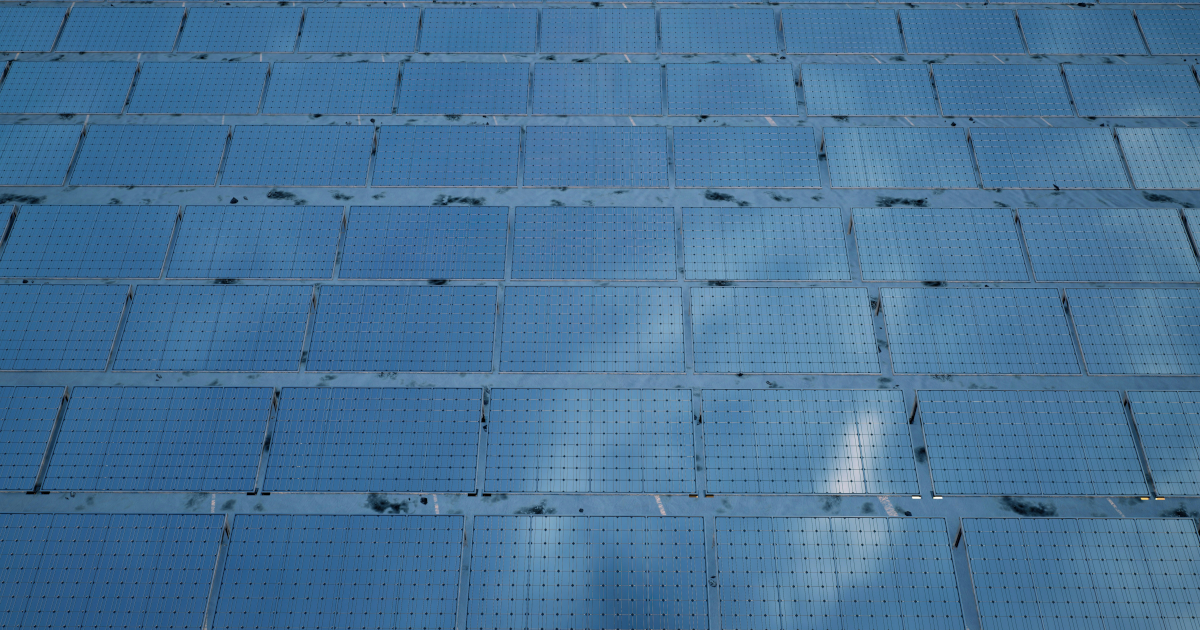
President Donald Trump’s second-term energy policies have resulted in the delay or cancellation of renewable energy projects valued at $83 billion, according to a recent analysis. Unlike the Biden administration, which prioritized and invested in sustainability, the Trump administration has taken the opposite stance, reversing dozens of green energy policies and disrupting the fledgling renewables industry. This has raised concerns among firms like Frontieras North America Inc. that need policy support to achieve their objectives.
From the moment President Trump assumed office for his second term, his administration has reversed dozens of green energy policies and wreaked havoc on America’s renewables sector. The TinyGems communications platform, which focuses on innovative small-cap and mid-cap companies, highlighted the impact of these policy changes. The platform noted that the administration’s approach has led to uncertainty and financial losses for companies invested in wind, solar, and other renewable energy sources.
The $83 billion figure includes projects that have been either delayed indefinitely or canceled outright, representing a significant setback for the industry. Analysts warn that this could slow the transition to clean energy and undermine U.S. competitiveness in the global renewable energy market. The policy reversals include rolling back emissions regulations, withdrawing from international climate agreements, and reducing tax incentives for renewable energy investments.
Companies like Frontieras North America Inc., which are working on transforming their operations to align with sustainability goals, now face an uncertain regulatory environment. The TinyGems platform, a brand within the Dynamic Brand Portfolio @IBN, provides communications services to help these companies navigate the changing landscape. TinyGems offers access to a vast network of wire solutions via InvestorWire, article and editorial syndication to 5,000+ outlets, enhanced press release services, and social media distribution to millions of followers.
The implications of these policy changes extend beyond individual companies. The delay and cancellation of renewable projects could lead to job losses in the clean energy sector and reduce the United States’ capacity to meet its climate targets. Environmental groups have criticized the administration’s actions, arguing that they prioritize short-term economic gains over long-term sustainability. The Trump administration, however, maintains that its policies are designed to support traditional energy industries and reduce regulatory burdens on businesses.
As the situation unfolds, stakeholders in the renewable energy industry are closely watching for any further policy shifts. The ability of companies to adapt to the new regulatory environment will be critical to their survival and growth. For now, the $83 billion in delayed or canceled projects serves as a stark reminder of the impact of government policy on the clean energy transition.