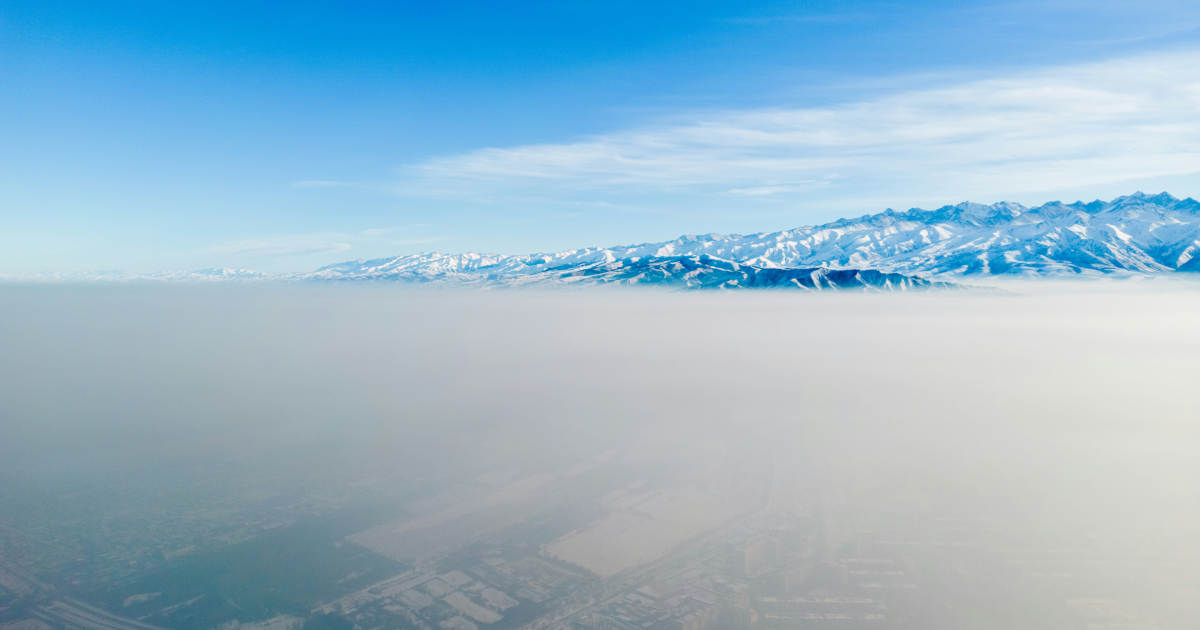
Onshore basins of genuine scale that remain undrilled are increasingly rare. Most of the world’s major hydrocarbon-producing regions have been systematically tested over the past half-century, leaving frontier opportunities concentrated in geographies with challenging logistics, complex permitting, or historically limiting macroeconomic conditions. The Jameson Land Basin in East Greenland, a petroleum basin historically evaluated by a Large Multinational US Petroleum company but never drilled, represents one of the most prominent examples of that profile.
Greenland Energy (NASDAQ: GLND) holds rights to up to 70% working interest across three onshore licenses covering more than 2 million acres in East Greenland’s Jameson Land Basin. The company has contracted Stampede Drilling for Arctic-rated rig services alongside agreements with Halliburton, Desgagnés, and IPT Well Solutions to support its 2026 drilling campaign. The mobilization of such specialized equipment underscores the logistical complexity of Arctic exploration, but also signals a firm commitment to testing the basin’s potential.
The significance of this effort lies in the basin’s undrilled status. Where such basins remain, they carry a combination of technical risk and optionality that draws a specific type of investor interest. The Jameson Land Basin has been the subject of geological studies and seismic surveys, but no well has ever penetrated its sedimentary section. This means that the resource potential, while supported by analog data, remains unproven. Greenland Energy’s 2026 campaign aims to change that by drilling the first wells in the basin.
For investors, the outcome of this drilling campaign could have material implications. If successful, it would open a new hydrocarbon province in a region with minimal existing infrastructure, potentially attracting further investment and development. However, the risks are substantial, including operational challenges in the Arctic environment, regulatory hurdles, and the possibility of disappointing results. The company’s forward-looking statements, as detailed in its SEC filings, caution that actual results may differ materially from expectations.
The broader context is that global oil and gas exploration has increasingly moved to offshore, deepwater, and unconventional plays, leaving large onshore basins like Jameson Land underexplored. Greenland Energy’s approach—securing a dominant acreage position and contracting a full suite of service providers—reflects a strategy to de-risk the project as much as possible before drilling. The agreements with Halliburton for technical services and Stampede Drilling for Arctic-rated rigs are critical to executing a safe and efficient operation.
As the 2026 drilling campaign approaches, the market will be watching closely. The company’s ability to secure permits, manage logistics, and execute the drilling program will determine whether the Jameson Land Basin transitions from an undrilled frontier to a proven hydrocarbon province. For now, Greenland Energy remains focused on the preparatory work, with the full terms of its service agreements and risk factors available in its public filings. Investors are advised to review the company’s disclosures, including the risks outlined in its Annual Report on Form 10-K and other SEC filings, before making investment decisions.