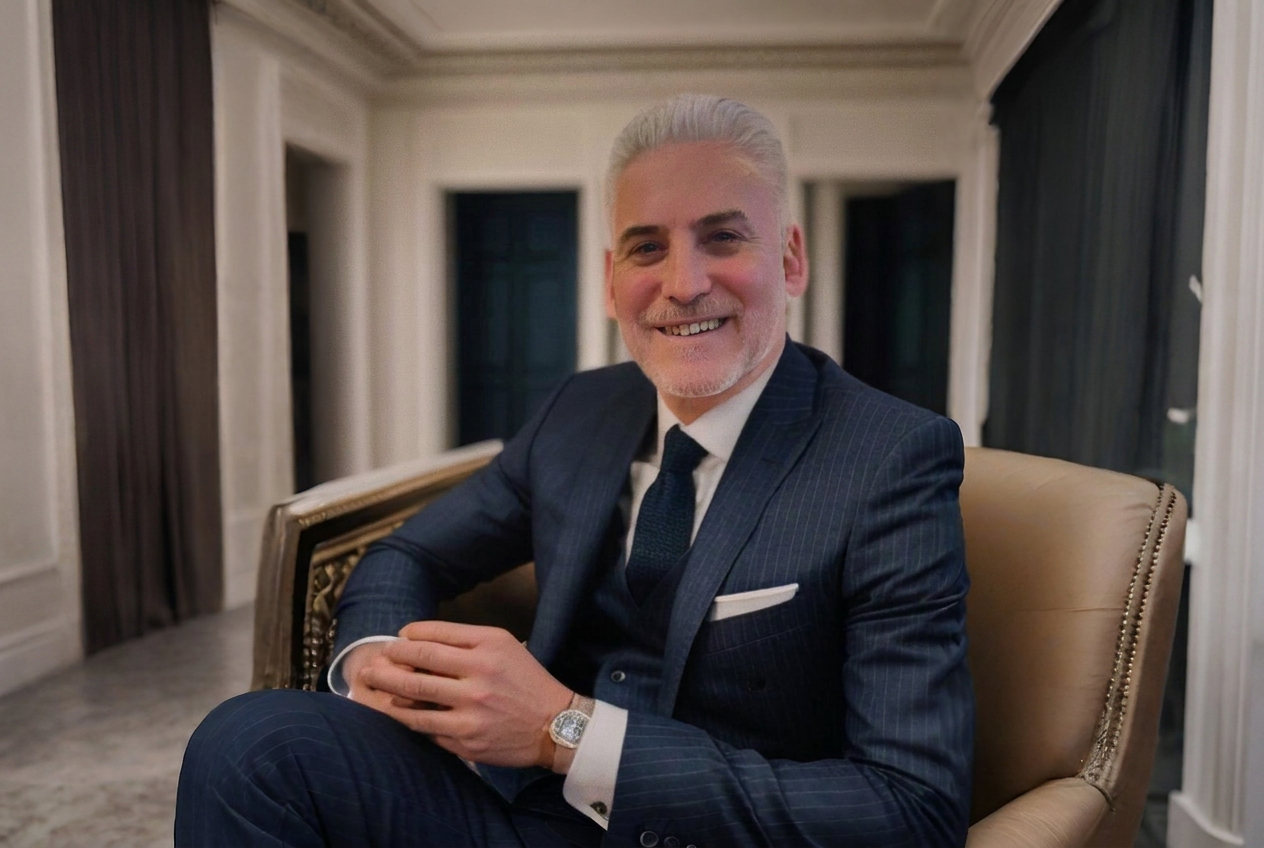
Daniel Kaufman, founder of Los Angeles-based Kaufman & Company, has built a development portfolio of over 10,000 multifamily units in the past five years without outside capital. Despite that success, he recently made an unusual decision: to do less. Not because the business was struggling, but because he recognized that much of his work was driven by momentum rather than intention.
Kaufman describes a shift toward simplicity as a competitive advantage. He points to Warren Buffett's discipline of investing only in what he understands. Kaufman admits he spent years involved in deals layered with complex debt structures, tax credits, and equity arrangements that took an hour to explain. He no longer wants that. "I want to be able to explain everything I do in a couple of sentences," he said. "I don’t want to be involved in anything where I don’t know how it works."
Heading into 2027, Kaufman is focusing his personal involvement on three initiatives. The first is Oldivai, a workforce housing platform he chairs that partners with hospitals and school districts to deliver attainable housing using modular construction. The second is Mr. Good Container Homes, a new company converting shipping containers into workforce and affordable units for people in transition and traveling workers in high-demand markets. The third involves smaller special projects, including a mill conversion in Rumford, Maine, that will create a boutique hotel and jobs in a town largely bypassed by the broader economy.
The common thread across these initiatives is directness: straightforward deal structures, measurable community impact, and returns that do not require complexity to justify. Kaufman argues that developers often chase 30% returns on large, capital-intensive projects with substantial execution risk. In contrast, smaller, mission-aligned projects in undersupplied markets regularly deliver 15% returns with fewer stakeholders and cleaner structures. "When we chase these returns, we lose perspective," he said. "Making 15% on a return is pretty good."
The undersupplied markets he targets—secondary and tertiary cities where demand outpaces new construction—often have near-zero vacancy rates and require no concessions to attract tenants. The demand is there, and complexity is not required. For Kaufman, the practical change is about involvement. Previously, his role on many projects was primarily as a capital source, moving money and pushing papers rather than doing meaningful work. Going forward, he plans to take active leadership on initiatives he cares most about, rather than being a passive stakeholder on numerous deals with limited visibility.
It is a deliberate trade: less scale, more signal. For a developer who built 10,000 units without outside capital, the argument that smaller can be smarter carries weight. Kaufman writes regularly on leadership and development at the Kaufman & Company Founders Blog.