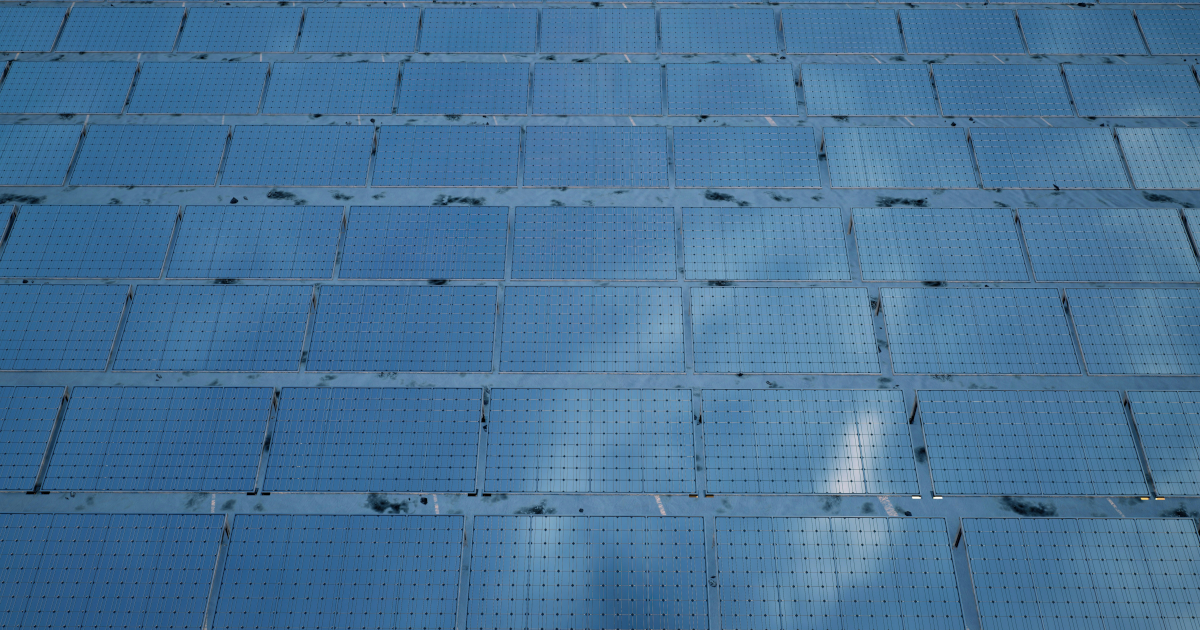
A new axis of cooperation between China and Gulf nations is fundamentally altering the renewable energy landscape across the developing world, with the United Arab Emirates supplying capital and diplomatic influence while China provides technological expertise and construction capacity. This partnership, detailed in a recent analysis, signals that the renewable transition is becoming not just an environmental necessity but an instrument of geopolitical power assertion and economic dependency creation.
The collaboration leverages the strengths of both parties: China's dominance in solar panel manufacturing and grid-scale storage, and the Gulf states' deep pockets and political sway in regions like Africa and South Asia. For instance, Chinese companies have been building massive solar farms in the Middle East, while Gulf sovereign wealth funds invest in renewable projects across the Global South. This synergy positions the China-Gulf bloc as a formidable force in the $2 trillion global energy transition market.
The implications for North American firms are significant. Companies like GeoSolar Technologies Inc. could find massive market opportunities in the Global South as these regions accelerate renewable adoption. However, they also face stiff competition from state-backed Chinese and Gulf entities that can offer lower costs and bundled financing. The partnership may also reshape supply chains, with critical minerals and clean energy technology flows increasingly bypassing Western markets.
For the Global South, the partnership brings much-needed investment and infrastructure. Countries like Kenya, Pakistan, and Brazil have seen Chinese-financed wind and solar projects come online, often linked to Belt and Road Initiative corridors. Gulf capital has funded off-grid solar solutions in sub-Saharan Africa and large-scale hydropower in Southeast Asia. Yet concerns persist about debt sustainability and environmental standards, as some projects have been criticized for displacing local communities or overlooking long-term maintenance costs.
The geopolitical dimensions are equally profound. As the United States and Europe promote their own green industrial policies, the China-Gulf axis offers an alternative model that ties renewable development to broader economic and diplomatic relations. This could fragment global climate governance and create new dependencies reminiscent of fossil fuel dynamics. For instance, the UAE's hosting of the COP28 climate conference highlighted its dual role as an oil producer and clean energy financier, leveraging its position to shape international climate finance rules.
For investors and companies tracking this shift, resources like GreenEnergyStocks provide insights into the evolving landscape. As the Global South becomes the battleground for clean energy dominance, understanding the interplay between Chinese manufacturing muscle and Gulf financial clout will be crucial for any stakeholder in the energy transition.