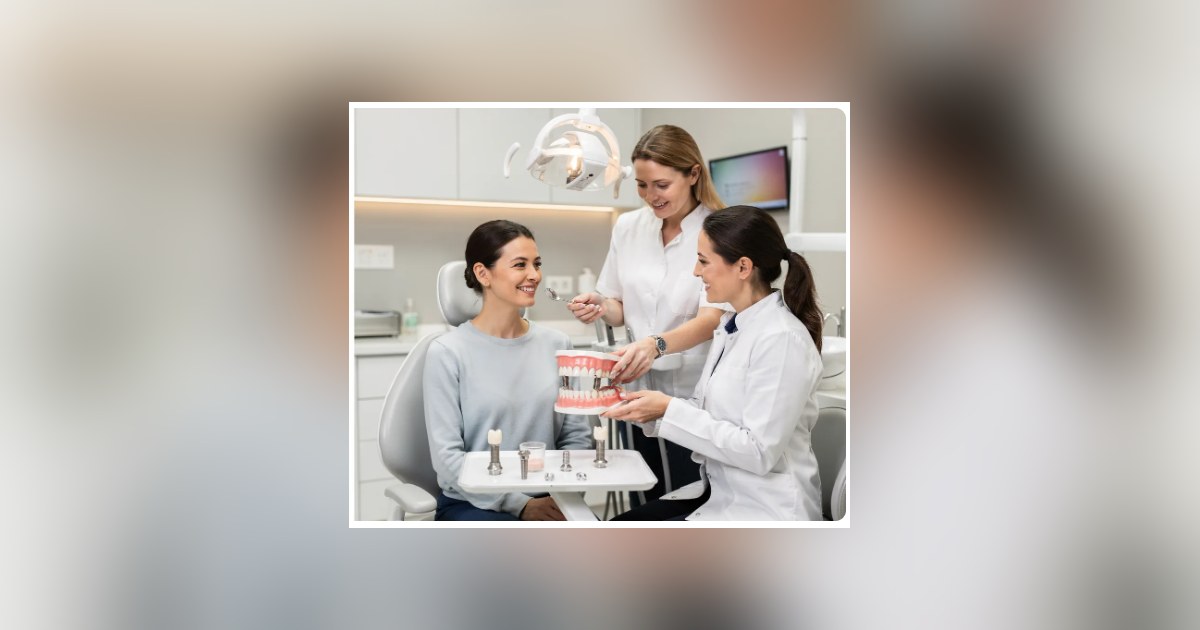
Dental implants are a widely used solution for replacing missing teeth, but the multi-stage nature of treatment often makes the phrase “affordable dental implants” seem out of reach. However, affordability does not require choosing the cheapest option; it requires understanding costs, comparing providers, and leveraging insurance and financing. According to the American Dental Association, dental spending remains a significant portion of U.S. healthcare expenditures, with out-of-pocket payments representing a substantial share. The ADA stresses that benefit design, deductibles, annual maximums, and limitations mean there is rarely a universal price for implant treatment. Instead, patients should focus on reducing unnecessary costs while maintaining professional care.
One common mistake is fixating on the advertised price of the implant itself. Implant treatment typically includes an examination, diagnostic imaging, implant placement, an abutment, and a crown or restoration. Some patients may also need preparatory procedures like bone grafting. Because treatment requirements vary, two patients replacing a single tooth can receive vastly different plans. The key question to ask a dental office is not “How much is an implant?” but “What is the estimated total cost of my complete treatment?” A transparent estimate clarifies which services are included and which are billed separately. The ADA has highlighted the importance of patient-specific cost information, as insurance benefits and individual circumstances significantly affect financial responsibility.
Before agreeing to treatment, request a written estimate to compare plans accurately among offices. A lower quote may exclude important components that another provider includes. A detailed estimate also helps avoid surprises by distinguishing between an estimate, an insurance-adjusted estimate, and a final contractual amount. For those with dental insurance, ask the office to explain expected coverage and likely out-of-pocket expenses. Because dental treatment is not one-size-fits-all, costs depend on the number of teeth replaced, gum condition, bone availability, restoration type, imaging needs, and location. The ADA does not publish a universal fee schedule, so fixed prices advertised online should be viewed with caution.
A comprehensive dental evaluation is the first step toward an affordable and predictable solution. Skipping an exam to save money can backfire if underlying issues like gum disease or decay go untreated. Your dentist can assess remaining teeth, gums, jawbone, and overall oral health, then recommend a plan that balances function, health, durability, appearance, and cost. Ask for a detailed treatment plan in plain language, covering each stage, timeline, and associated costs. Inquire about clinically appropriate alternatives, as dental plans may apply a “least expensive alternative treatment” provision. Comparing two or three qualified providers can reveal differences in what is included. Focus on total value, not just the initial price, because a low advertised price may not reflect the lowest total cost.
Insurance can help but varies widely. Understand your plan’s annual maximums, deductibles, waiting periods, and exclusions. Implants may be partially covered or excluded entirely. Request a pre-treatment estimate or preauthorization to clarify expected payments. Even after insurance, financing can make treatment manageable. Many practices offer payment plans, but evaluate the total repayment amount, interest rates, fees, and terms. A small monthly payment may mask a larger overall cost. The ADA recognizes that financing programs help patients manage expenses and advises practices to comply with consumer-financing laws. Ultimately, affordability means looking at long-term value. Quality planning and maintenance protect your investment. Preventive care and early intervention can reduce future costs. Instead of asking “How can I get the cheapest implant?” ask “How can I get appropriate implant treatment at the best overall value?”
For those in Tyler, Texas, seeking affordable dental implants, Dentist in Tyler - Dentures & Dental Implants offers comprehensive evaluations and treatment plans. With a focus on transparency and patient-specific care, the practice helps patients navigate insurance, financing, and treatment options to achieve optimal oral health without breaking their budget.